


Recover. Relax. Recharge. Maintain your balance.
Heat exposure has long been used in wellness and recovery practices. Infrared offers a different approach: heat is transmitted partly by radiation to the body, while maintaining a more moderate ambient temperature.
At Infracab'in, we integrate it into a comprehensive approach to wellness: not as a universal promise, but as a tool whose use must be adapted to the person, the context and the objective sought.
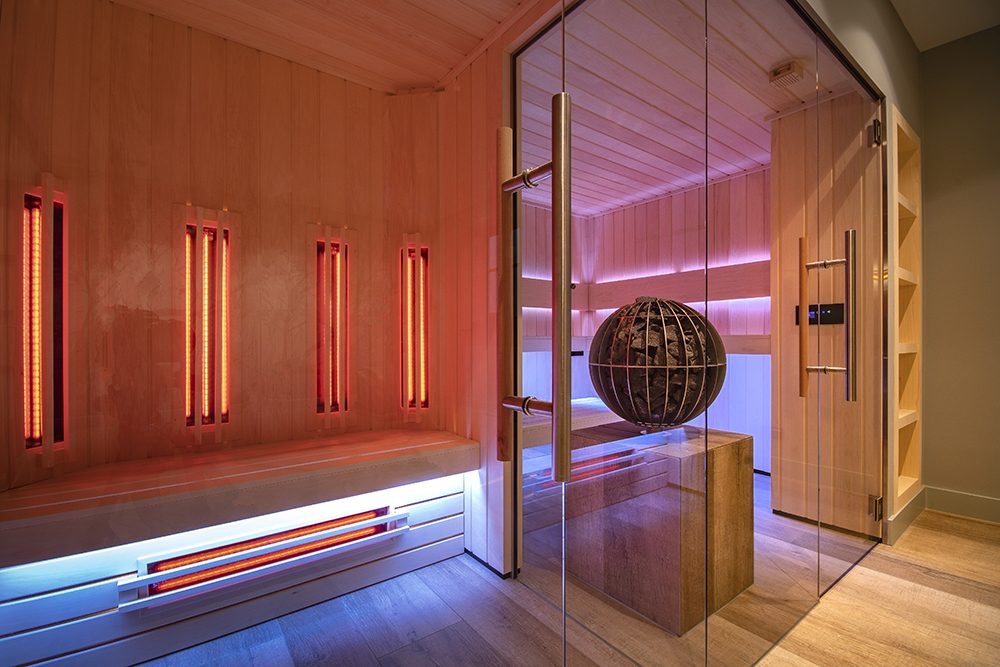
After physical activity, recovery is an integral part of performance.
Infrared heat can find its place in a post-exercise routine to promote a feeling of recovery, relaxation and comfort.
Scientific studies conducted on athletes suggest, in particular, a potential benefit of infrared exposure after exercise on certain parameters of neuromuscular recovery and on perceived muscle pain.
For what purposes?
Athletes • Clubs • Performance Centers • Recovery Areas • Individual Practice
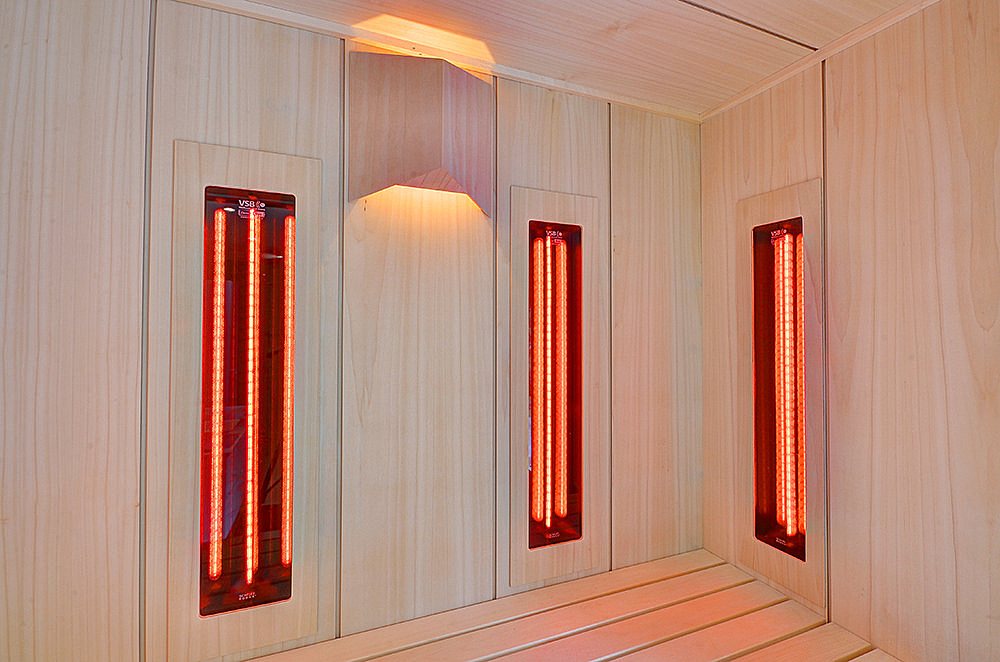
Heat causes physiological responses, including increased cutaneous blood flow and vasodilation.
Combined with a period of rest and relaxation, exposure to heat can contribute to a feeling of muscle relaxation and bodily comfort.
A particularly interesting use after exertion, after a demanding day or simply as part of a wellness routine.
Relaxation • Comfort • Mobility • Recovery
Slowing down is also part of well-being.
The warmth, the calm of the cabin and the time we allow ourselves create an experience conducive to relaxation and unwinding.
Beyond the technology, the session becomes a ritual: a moment to step out of the daily routine, refocus and find a sense of calm.
Relaxation • Disconnection • Unwinding • Well-being
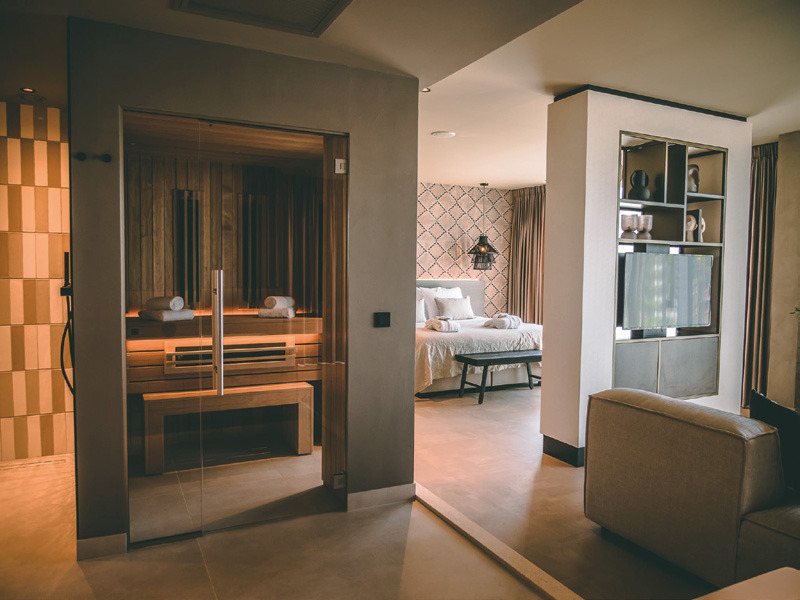
Sleep, physical recovery and balance are closely linked.
Integrated into an end-of-day routine, the experience of warmth can contribute to an environment conducive to relaxation before rest.
The research focuses on the relationship between heat exposure, recovery, and sleep. However, the results depend on the technologies, protocols, and populations studied: they cannot be automatically extrapolated to every user or device.
At Infracab'in, we therefore prefer to measure before making a statement.
Wellness is evolving.
It is no longer just about seeking an occasional moment of relaxation, but about integrating habits that contribute sustainably to a balanced life: recovering better, preserving mobility, taking time for oneself and staying active.
It is within this vision that we include infrared: as one of the tools that can support a holistic approach to well-being and active longevity.
Move. Recover. Recharge. Start again.
Research on heat and various infrared technologies is now exploring many areas: recovery after exertion, cardiovascular responses to heat, muscle comfort, physiological adaptation, and perception of recovery.
But not all studies focus on the same technologies, temperatures, or exposure times.
At Infracab'in, we therefore make a crucial distinction between:
A scientific study is never a promise of individual results.
Unlike a traditional sauna, which primarily heats the ambient air, Direct Heat® technology uses infrared radiation to transmit some of the energy directly to the body and surfaces.
This approach allows you to experience it in a more moderate ambient temperature, with a different, comfortable and controlled warmth.
Infracab'in solutions are designed for well-being and comfort. They are not medical devices and are not intended to diagnose, treat, cure, or treat any disease.
The information presented on this site is for informational purposes only and is not a substitute for medical advice, diagnosis, or treatment. If you have a medical condition, are undergoing medical treatment, are pregnant, or have any doubts about the use of heat or infrared, consult a healthcare professional before use.
Sports recovery, wellness experience, relaxation, integration into a wellness care pathway or personal ritual: we never leave the cabin.
We start with your needs, your usage and your environment to design the solution that makes sense.
Need → Use → Desired Experience → Technology → Integration