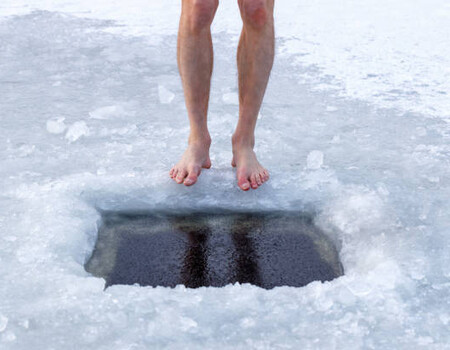
In the realm of wellness and health, two methods have gained popularity in recent years: infrared cabins and cold plunge pools. While these two approaches may seem contradictory—one using gentle heat and the other immersion in cold water—they share a common goal: to improve physical and mental health. In this article, we compare the benefits of each to help you choose the therapy that best suits your needs.
1. Muscle and sports recovery
Infrared Cabin: Infrared cabins are known to promote recovery after intense physical exertion. Infrared heat penetrates deep into muscle tissue, stimulating blood circulation, which allows for better muscle oxygenation and the elimination of toxins. This reduces muscle soreness and accelerates the healing of micro-tears caused by exercise.
Cold Baths: Athletes frequently use cold baths for muscle recovery. Immersion in cold water reduces inflammation, relieves pain, and decreases swelling. The cold causes vasoconstriction, which limits the release of metabolic waste products into the muscles, contributing to faster recovery.
Conclusion: For effective muscle recovery, both therapies are beneficial. The infrared cabin offers a gentler and more pleasant option, while the cold bath acts more quickly to reduce post-workout inflammation.
2. Improved traffic flow
Infrared Cabin: Infrared heat dilates blood vessels, increasing blood flow and promoting better circulation. This improved circulation helps regenerate tissues and reduce muscle tension.
Cold Bath: A cold bath also stimulates circulation, but in a different way. Immersion in cold water causes immediate vasoconstriction followed by vasodilation upon exiting the bath. This process strengthens the circulatory system and improves the resilience of blood vessels.
Conclusion: Both methods improve circulation, but in distinct ways. The infrared cabin offers constant and relaxing stimulation, while the cold bath uses thermal contrasts to strengthen the vascular system.
3. Stress management and relaxation
Infrared cabin: Infrared cabins are ideal for relaxation and stress management. The gentle heat soothes the nervous system, stimulates the production of endorphins, and helps release accumulated tension. Many people use this method to relax after a stressful day, improve their sleep quality, or simply recharge.
Cold bath: Although a cold bath is more intense, it also has positive effects on stress management. The thermal shock triggers the release of endorphins and improves the body's ability to cope with stress. However, some users may find a cold bath more stimulating than relaxing.
Conclusion: If you're looking for a gentle relaxation method, an infrared cabin is ideal. A cold plunge, on the other hand, is better suited to those seeking a revitalizing and challenging experience.
4. Weight loss and metabolic stimulation
Infrared cabin: By increasing body temperature, the infrared cabin stimulates metabolism and circulation, which can contribute to weight loss. The sweating induced by a session can also help eliminate certain toxins from the body, promoting better fat regulation.
Cold bath: A cold bath, on the other hand, activates brown fat, a type of fat that burns calories to produce heat and maintain body temperature. This activation can help boost metabolism and promote increased fat burning in the long term.
Conclusion: If your goal is to boost your metabolism and lose weight, a cold plunge might be more effective due to the activation of brown fat. However, an infrared sauna remains a good option for promoting an active metabolism and regular detoxification.
5. Eco-responsibility and energy cost
Infrared cabin: Infracab'in infrared cabins consume very little energy (approximately €0.35 per session) and use no water, making them an eco-friendly solution for wellness centers or home use. They are also a sustainable solution in terms of maintenance and operating costs.
Cold bath: While a cold bath can be taken at home in a simple bathtub, its upkeep (changing the water, using ice) can require more water. However, it is also possible to use eco-friendly methods to cool the water (such as closed cooling systems).
Conclusion: In terms of energy costs and eco-responsibility, the infrared cabin is generally more efficient and sustainable than the cold bath.
Verdict: Which solution to choose?
The choice between an infrared cabin and a cold bath depends on your personal goals.
Whether you choose one method or the other, the two practices can be complementary and help you improve your overall well-being, depending on your needs and preferences.
Contact us and we can guide you!